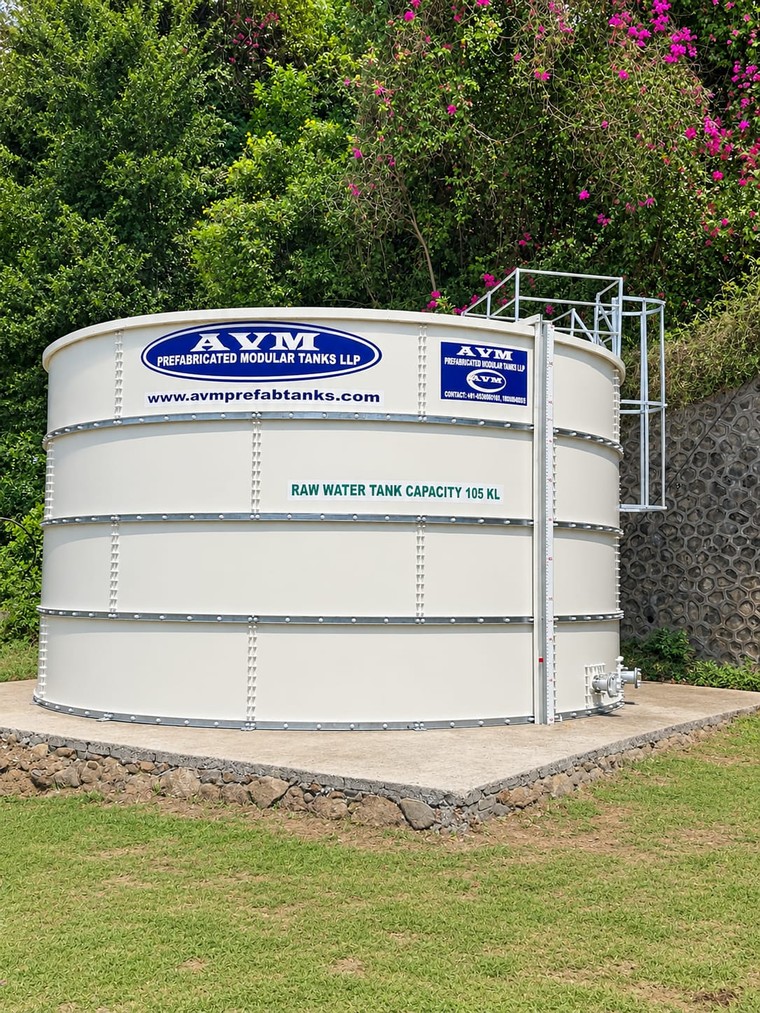
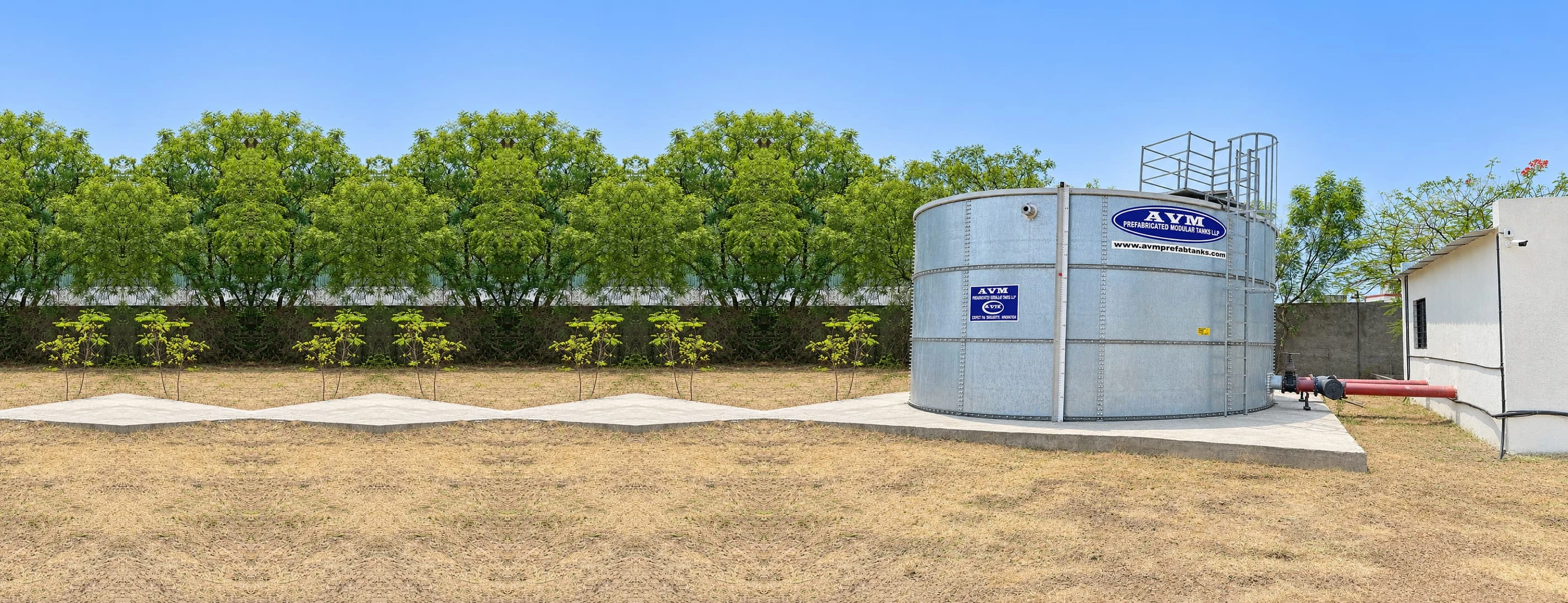
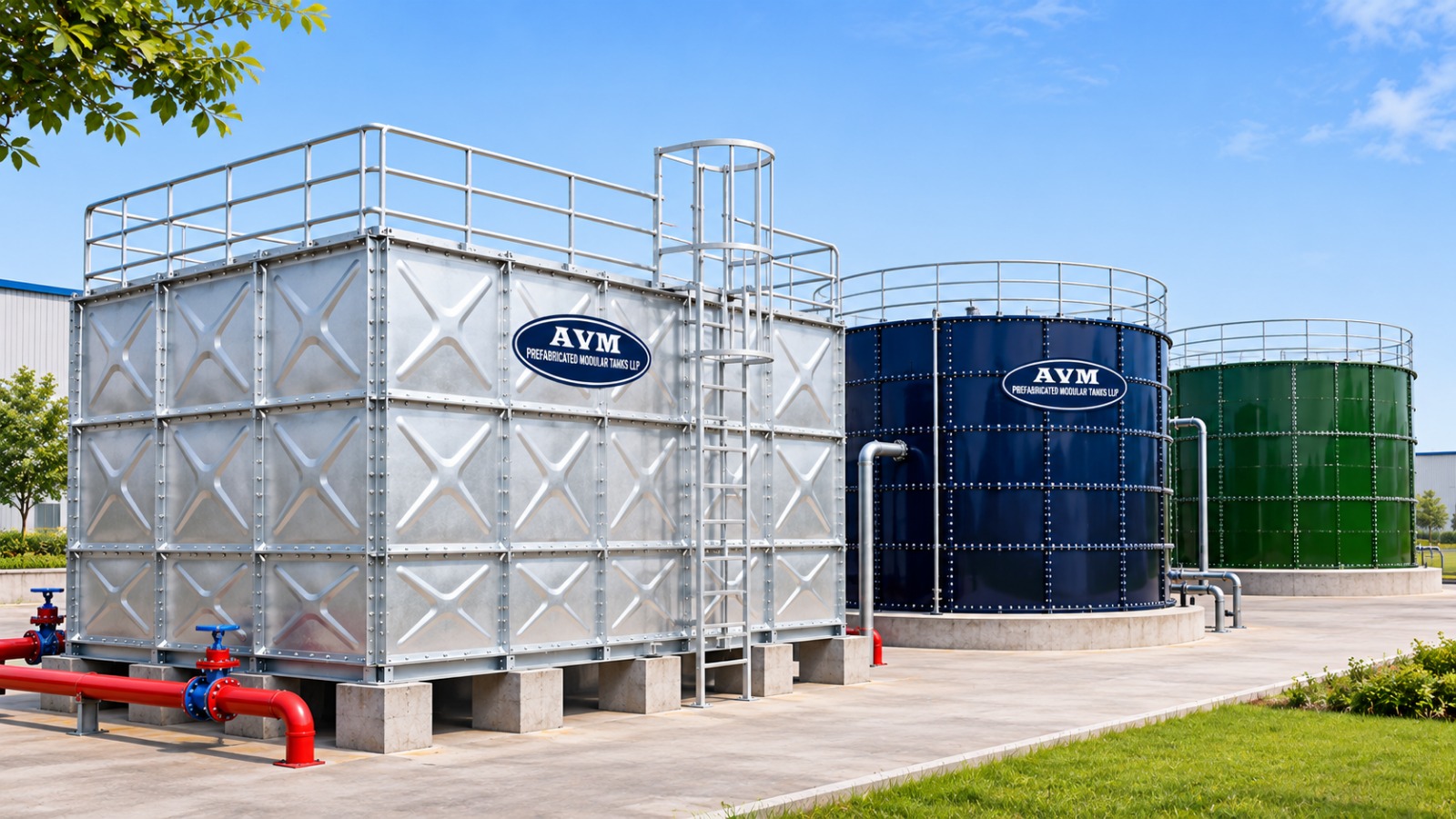
Water storage systems are an essential component of residential, commercial, industrial and infrastructure facilities. Selecting an appropriate storage tank requires consideration of material strength, corrosion resistance, storage capacity, environmental conditions, installation requirements and long-term maintenance. Steel storage tanks are widely used in applications where structural reliability and large-volume water storage are important.
A Zinc Aluminium Water Tank is a steel-based storage system that uses aluminium-zinc alloy-coated steel panels to provide corrosion protection. The protective metallic coating helps reduce the exposure of the underlying steel to environmental conditions that can contribute to corrosion. These tanks are generally available in modular or bolted configurations, depending on the manufacturer's design and project requirements.
The construction of these tanks involves multiple engineering considerations, including steel grade, coating specifications, panel thickness, structural design, joint sealing and foundation preparation. The selection of these parameters depends on the intended application, stored water characteristics, installation environment and required service conditions.
AVM Prefabricated Modular Tanks LLP operates in the prefabricated modular tank segment, where material selection, panel configuration and installation planning are important considerations for storage infrastructure.
This article explains the construction, characteristics, applications, advantages, limitations and installation requirements of zinc aluminium-coated steel water storage systems.
What Is a Zinc Aluminium Water Tank?
A Zinc Aluminium Water Tank is a storage structure manufactured using steel sheets protected with a zinc-aluminium alloy coating. This coating provides an additional protective barrier against atmospheric corrosion, moisture and environmental exposure. Aluminium helps form a protective oxide layer, while zinc contributes sacrificial corrosion protection under suitable conditions, helping preserve the underlying steel.
Depending on the engineering design, the steel sheets may be manufactured as formed, corrugated or modular panels. These panels are assembled to achieve the required tank height, diameter and storage capacity. The overall configuration is determined by the intended application, installation environment and project-specific structural requirements.
A typical Zinc Aluminium Water Tank may include coated steel panels, structural reinforcement, bolts, nuts, joint sealing materials, roof and access arrangements, inlet and outlet connections, overflow provisions and drainage components. Supporting foundation arrangements are also considered during installation planning. The final component specifications depend on the tank design, application and manufacturer's technical requirements.
How Does Zinc Aluminium Coating Protect Steel?
Steel surfaces can gradually deteriorate when exposed to moisture, oxygen and changing environmental conditions. In water storage applications, corrosion protection is therefore an important part of material selection and tank design. Zinc-aluminium alloy coatings help protect the underlying steel by creating a protective layer that reduces direct contact with external environmental elements.
The coating works through two primary protection mechanisms. Aluminium contributes to the formation of a stable oxide film that acts as a barrier against moisture and atmospheric contaminants. Zinc provides sacrificial protection by corroding preferentially under suitable conditions, helping protect small exposed areas of the underlying steel. These combined properties support corrosion resistance in different environmental conditions.
The overall performance of zinc-aluminium-coated steel depends on coating composition, coating thickness or mass, surface preparation, installation quality and environmental exposure. Although this coating improves the corrosion resistance of steel, it does not make the material completely corrosion-proof. Appropriate material specifications, proper handling, suitable installation practices and periodic inspection remain important for maintaining long-term tank performance.
Manufacturing and Construction of Zinc Aluminium Water Tanks
The manufacturing of a Zinc Aluminium Water Tank involves several stages, including steel selection, coating application, panel fabrication, dimensional checks and assembly preparation. Each stage contributes to the strength, corrosion resistance and overall reliability of the finished tank. The steel grade and thickness are determined according to storage capacity, tank height, hydrostatic pressure, structural loads, wind conditions and installation environment.
After material selection, steel sheets receive a specified zinc-aluminium alloy coating, commonly through a hot-dip coating process. The coating specification should define the required coating mass or thickness, applicable standards and inspection procedures. The coated sheets are then formed into panels according to the tank design. Corrugated or profiled panels may be used to improve structural rigidity, while dimensional accuracy helps ensure proper alignment and fitting during installation.
For modular tank construction, individual panels are connected using suitable bolts and fastening arrangements according to the manufacturer's assembly instructions. Appropriate gaskets and sealants are installed at panel joints to minimise leakage and maintain connection integrity. The completed assembly should undergo checks covering panel alignment, bolt installation, joint sealing, coating condition and overall structural arrangement. These quality checks help verify that the tank has been assembled according to the approved engineering specifications.
Key Characteristics of Zinc Aluminium Tanks
Zinc Aluminium Tanks are designed with coated steel panels that provide improved resistance to corrosion under suitable environmental conditions. The zinc-aluminium alloy coating creates a protective layer over the steel surface, helping reduce exposure to moisture and atmospheric elements. The structural strength comes from the steel itself, while panel thickness, profiling, reinforcement and tank geometry determine its ability to withstand water pressure and other applied loads.
Modular construction is another important characteristic of these storage systems. Individual panels can be transported and assembled at the installation location according to the manufacturer's design specifications. This construction method offers flexibility in selecting tank dimensions and storage capacity based on project requirements. Bolted assembly can also reduce the need for certain on-site fabrication activities, although proper foundation preparation, accurate panel alignment and skilled installation remain essential.
Maintenance requirements should also be considered when evaluating tank performance. Periodic inspection of protective coatings, fasteners, joints, sealing materials and external surfaces helps identify signs of corrosion, leakage or deterioration. Following suitable inspection and maintenance procedures supports the long-term structural condition and operational reliability of the storage system.
Zinc Aluminium Tank vs Bolted Steel Water Storage Tanks
A Zinc Aluminium Tank and Bolted Steel Water Storage Tanks are not necessarily separate storage categories. A zinc-aluminium-coated tank can also be constructed using a bolted steel panel arrangement. The main difference relates to the material protection system rather than the basic construction method. Bolted steel describes how individual panels are connected, whereas zinc-aluminium refers to the protective alloy coating applied to the steel surface.
Conventional bolted steel tanks can use different protective systems depending on the manufacturer's specifications and project requirements. These may include zinc-aluminium alloy coatings, galvanised finishes, glass-fused protection or other approved surface treatments. Therefore, selecting between tank options requires evaluating the coating system, steel grade, panel thickness, structural calculations, hydrostatic pressure requirements and applicable engineering standards.
Joint sealing, water compatibility and maintenance requirements should also be considered before finalising a tank. Project engineers should verify the bolting arrangement, gasket materials, leakage prevention measures and suitability of all water-contact surfaces for the intended application. Comparing these technical specifications helps buyers understand the actual differences between tank quotations and select a storage system that meets their project requirements.
Understanding Bolted Steel Water Storage Tanks
Bolted Steel Water Storage Tanks are constructed using prefabricated steel panels that are mechanically connected at the installation site. Unlike conventional welded tank structures, these systems use engineered bolted connections to join individual panels and form the complete storage structure. Depending on the intended application, the panels may be supplied with different protective coating systems to improve resistance to corrosion and environmental exposure.
A typical bolted steel tank includes prefabricated shell panels, bolts, nuts, washers, joint gaskets, sealing materials, roof panels, supporting structures, base arrangements, access ladders and inspection openings. Water inlet, outlet, overflow and drainage connections are also incorporated according to the tank design. One of the practical features of this construction method is that individual panels can be transported separately and assembled at the project location, subject to site accessibility and installation requirements.
The performance of the completed tank depends on accurate engineering calculations, foundation preparation, panel alignment, fastening procedures and proper joint sealing. ANSI/AWWA D103 is an important reference standard for factory-coated bolted carbon steel tanks used for water storage. Its applicability should be verified according to the selected tank construction, coating system and project specifications.
What Are Glass Fused Bolted Steel Tanks?
Glass Fused Bolted Steel Tanks are manufactured using steel panels coated with a vitreous enamel or glass layer through a controlled high-temperature firing process. During manufacturing, the glass coating bonds with the steel surface to create a durable protective layer. This glass-to-steel finish is designed to provide corrosion resistance and chemical durability under specified operating conditions.
The manufacturing process involves preparing the steel surface, removing contaminants and mill scale, applying the specified glass coating materials and firing the panels at controlled temperatures. After the firing process, the coated panels undergo quality inspections to identify surface defects or coating irregularities. Once approved, the panels are assembled at the project location using specified bolts, gaskets and sealing arrangements to form the complete tank structure.
Glass-fused coatings differ from zinc-aluminium metallic coatings in their composition, protective properties and manufacturing methods. ISO 28765:2022 provides requirements for the design and use of vitreous enamel-coated bolted cylindrical steel tanks for water storage and treatment applications. These tanks may be considered for municipal, industrial and other storage projects, depending on water characteristics, operating conditions and project-specific engineering requirements.
Important Factors to Consider Before Selecting a Zinc Aluminium Water Tank
Selecting a suitable Zinc Aluminium Water Tank requires evaluating storage capacity, tank dimensions and actual water consumption requirements. Capacity planning should consider daily demand, peak usage, emergency reserves and replenishment frequency. Tank height and diameter should be finalised according to the required storage volume, available installation space and structural limitations. Adequate clearance should also be provided for transportation, assembly, inspection and future maintenance.
Water quality and material compatibility are equally important during tank selection. Parameters such as pH, dissolved salts, chloride concentration and operating temperature may influence the performance of metallic coatings, gaskets and sealing materials. For potable water applications, all internal surfaces, coatings and water-contact components must meet the applicable drinking water safety requirements. The tank structure should also be engineered to withstand hydrostatic pressure, wind loads, roof loads and seismic conditions wherever applicable.
A Zinc Aluminium Water Tank is a steel-based storage solution in which the protective zinc-aluminium alloy coating plays an important role in reducing corrosion of the underlying material. Its suitability depends on coating specifications, steel quality, structural design, water characteristics, installation conditions and maintenance practices.
Understanding the differences between zinc aluminium-coated systems, Bolted Steel Water Storage Tanks and Glass Fused Bolted Steel Tanks is important when evaluating modular water storage infrastructure. Each construction and coating technology has specific characteristics that must be assessed against the intended application.
For AVM Prefabricated Modular Tanks LLP, understanding these engineering considerations provides a technical foundation for evaluating prefabricated modular tank requirements across industrial, commercial and infrastructure projects.
Not sure which tank fits your site? Share your application, daily demand and site size — our engineers will size the tank and send a layout with the quote. Talk to an engineer →Installation Process of Zinc Aluminium Water Tanks
Proper installation is essential for maintaining the structural stability, corrosion protection and operational reliability of a Zinc Aluminium Water Tank. The process begins with a site assessment to evaluate soil conditions, available installation space, transportation access and environmental exposure. Based on the approved engineering drawings, a suitable foundation is then prepared to distribute the tank's operating load safely.
Before assembly, delivered steel panels, bolts, gaskets and accessories should be inspected for physical damage, dimensional accuracy and coating condition. The panels are assembled according to the manufacturer's specified construction sequence, followed by the installation of fasteners and joint sealing materials. Proper bolt tightening, panel alignment and sealing procedures are important for maintaining structural integrity and reducing the possibility of leakage. Roof panels, access arrangements, pipe connections and other required accessories are installed as part of the assembly process.
After completing the installation, a final inspection should verify structural alignment, fastening quality, joint sealing and protective coating condition. The tank should then undergo the specified filling and leakage inspection procedures before commissioning. Installation must be performed by trained personnel in accordance with approved construction drawings, engineering specifications and manufacturer instructions.
Maintenance and Inspection Requirements
Regular inspection helps maintain the performance and serviceability of steel water storage tanks.
The inspection schedule should be determined according to the tank design, operating environment, stored water characteristics and manufacturer's recommendations.
Important inspection activities include:
- Checking the external surface for coating damage or corrosion.
- Inspecting panel joints for leakage.
- Checking bolts, nuts and fastening arrangements.
- Examining gaskets and sealants for deterioration.
- Inspecting roof components and access arrangements.
- Checking inlet, outlet and overflow connections.
- Monitoring the foundation for visible settlement or cracking.
- Cleaning the tank according to water quality and operational requirements.
Any damaged coating or sealing component should be assessed and repaired using materials and procedures approved by the tank manufacturer.
For drinking-water applications, cleaning and disinfection procedures should comply with the relevant health and water quality requirements.
Frequently Asked Questions
Tata BlueScope Steel is the best-known Indian company associated with zinc aluminium / ZINCALUME-coated steel used to make corrosion-resistant tanks. However, complete ready-to-install zinc aluminium water storage tanks are usually supplied/fabricated by prefabricated zinc aluminium water tank manufacturer partners/empanelled vendors, especially for jjm project zinc aluminium water tank procurement—so the exact tank fabricator can vary by state/tender.
A typical zincalume tanks are crafted from an innovative alloy of zinc and aluminum system: a zinc–aluminium–silicon coated steel panel is bolted/riveted and sealed to form a modular tank for water storage.
Yes, a galvanized steel water tank is generally safe for drinking water, provided it is manufactured, coated, and certified for potable use. Most modern bolted steel tanks are built from hot-dipped galvanized steel or supplied as factory made G90 galvanized panels, which means the zinc coating is applied under controlled conditions and meets recognised standards such as ASTM A653, AWWA D103, and NSF/ANSI 61 for drinking-water contact.
Glass fused steel tanks are storage tanks made by fusing glass to steel at high temperatures, creating a durable, corrosion-resistant bond in which the two materials are fused together. This process produces glass fused steel tanks such as cst premium glass-fused-to-steel tanks and aquastore storage tanks. They are available as glass fused bolted steel tanks with over 100 sizes, and these bolted glass fused steel tanks are assembled on site for fast installation. In short, glass fused bolted steel tanks combine the strength of steel with the corrosion protection of glass.
A Zincalume tank is a steel storage tank protected by a corrosion-resistant zinc-aluminium alloy coating. In a common formulation, zinc aluminium steel is coated with an alloy of 55% aluminium, 43.5% zinc, and 1.5% silicon by weight.
Although zincalume tanks are crafted from an innovative alloy of zinc and aluminum is a common description, the tank is generally made from steel coated with the alloy, rather than from the alloy alone. Some are pre-fabricated steel tanks coated with a special alloy of zinc and aluminium and assembled on-site. zinc-aluminium tanks are widely used for water storage in agricultural, commercial, industrial, and fire protection applications. A zinc aluminium water tank may also use an internal liner to contain the water and protect the steel.