Safe drinking water storage is an essential requirement for residential developments, commercial buildings, municipal infrastructure and industrial facilities. Water storage systems must maintain an adequate supply while protecting water quality during storage and distribution. Selecting the appropriate tank requires careful consideration of material safety, structural strength, corrosion protection, storage capacity and applicable drinking-water standards.
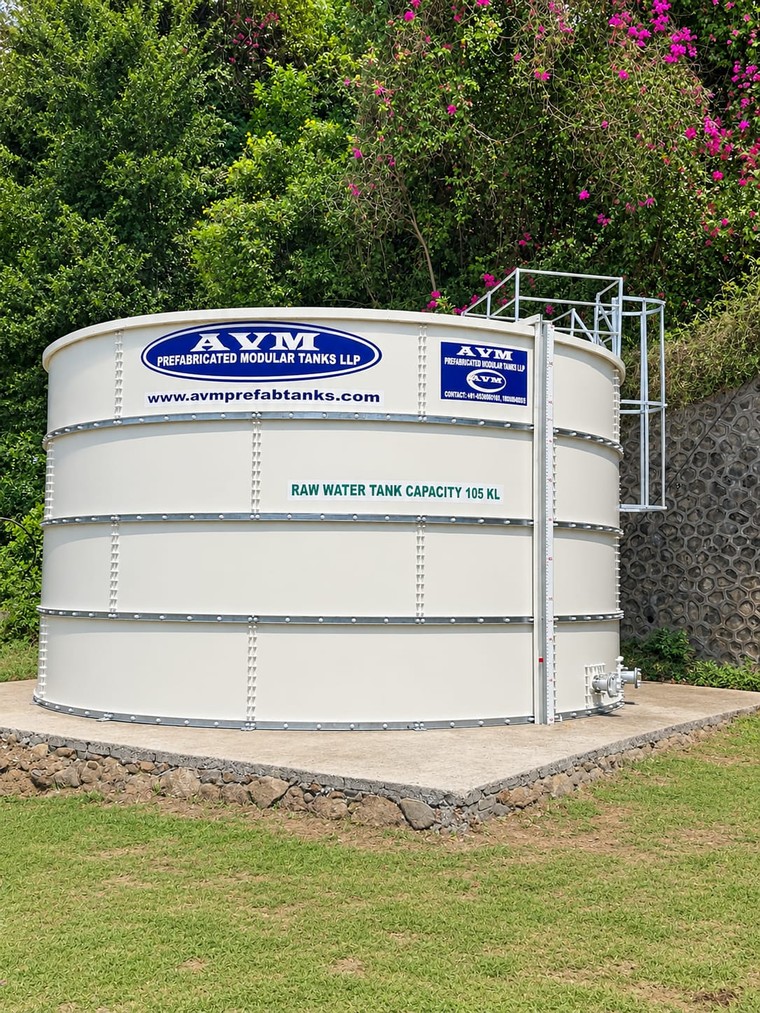
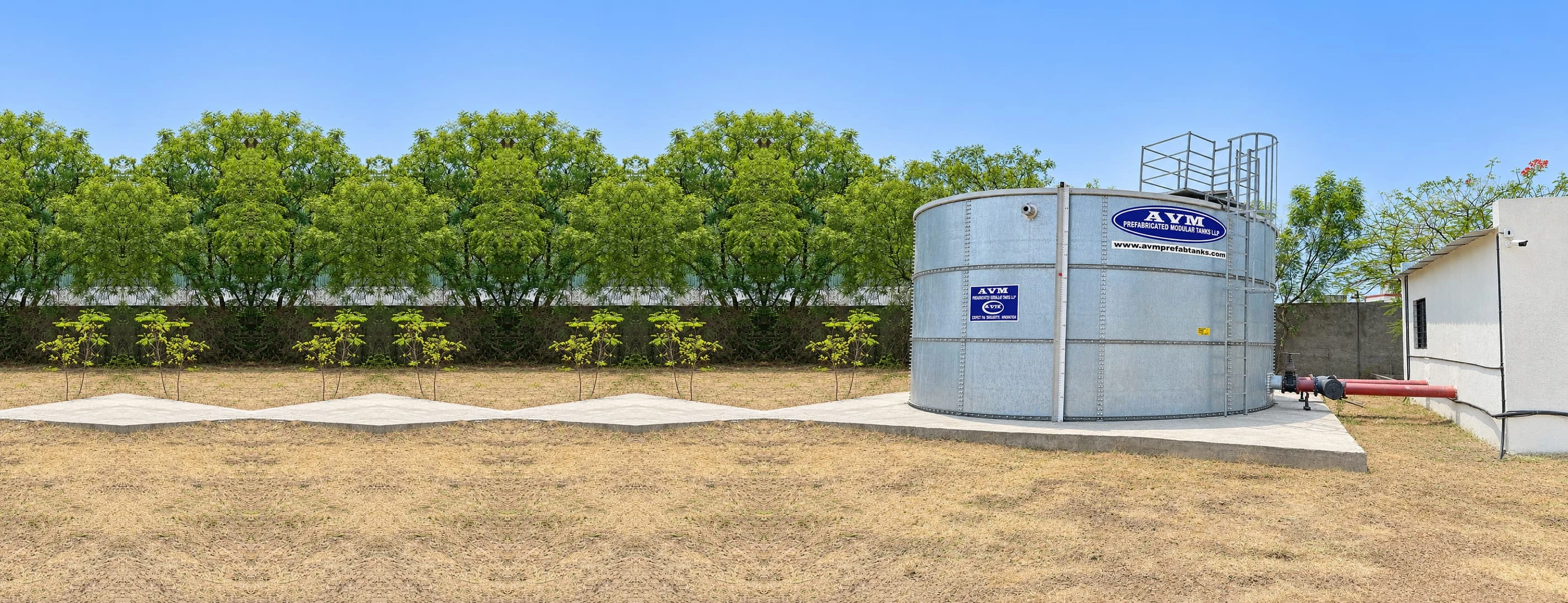
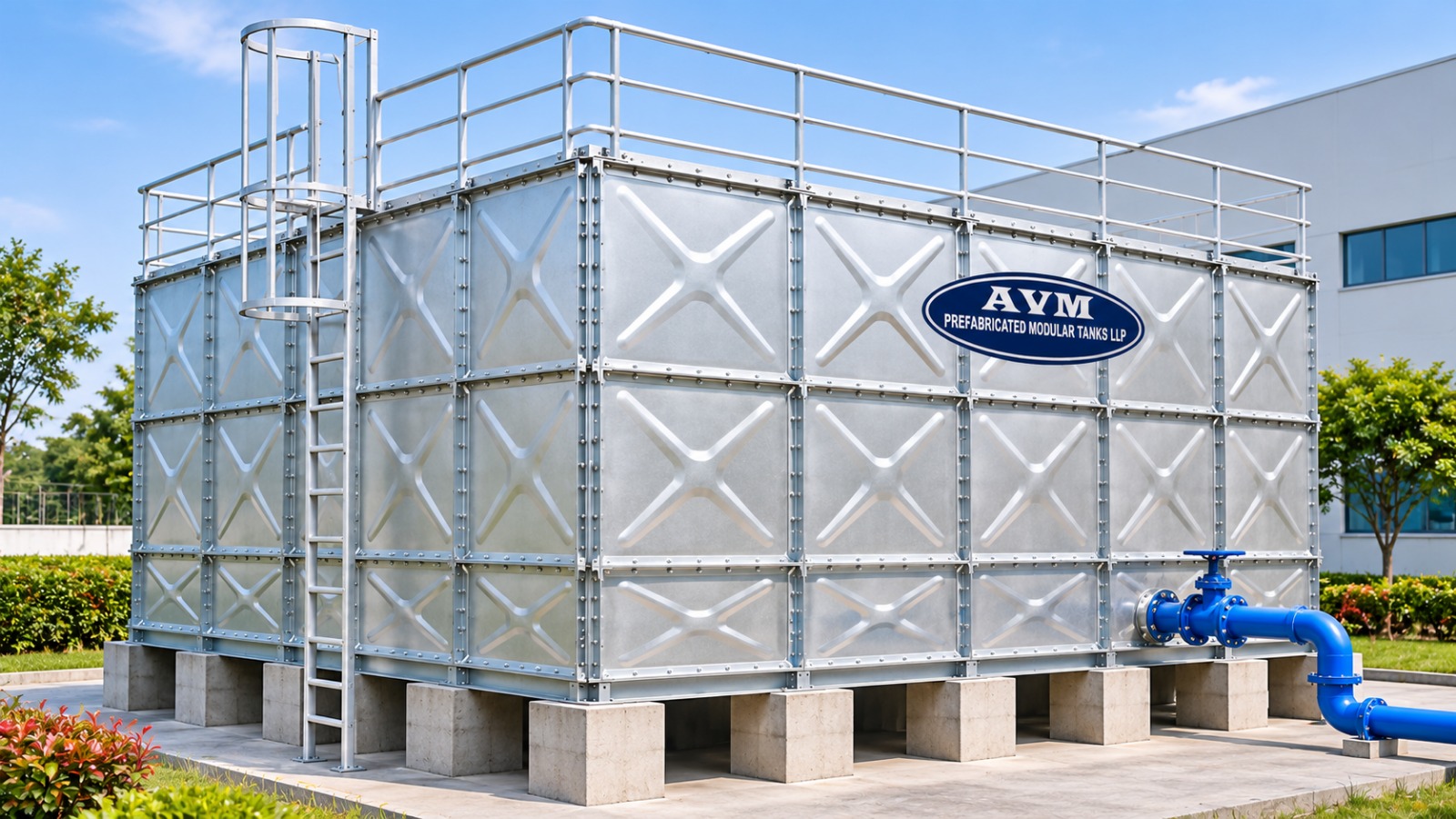
Steel Potable Water Storage Tanks are engineered storage structures designed to hold drinking water for human consumption and related domestic requirements. These tanks are manufactured using steel panels or fabricated steel sections with protective coating systems suitable for potable water contact. Depending on the project specifications, they may be constructed as bolted modular tanks or other engineered steel configurations.
Unlike general-purpose water storage tanks, potable water storage systems must meet additional requirements concerning material compatibility, internal coatings, joint sealants, water contamination prevention and cleaning procedures. Every component that comes into contact with stored water should be suitable for its intended drinking-water application.
AVM Prefabricated Modular Tanks LLP operates in the prefabricated modular tank segment, where material selection, storage capacity, structural design and installation planning are important considerations for water storage infrastructure.
This article explains the construction, types, benefits, applications, technical specifications, installation procedures and maintenance requirements associated with steel potable water storage systems.
What Are Steel Potable Water Storage Tanks?
Steel Potable Water Storage Tanks are storage structures designed to hold treated water that meets the required drinking-water quality standards. These tanks provide storage between water treatment facilities, supply networks and end-user distribution systems.
The primary purpose is to maintain water availability without compromising its quality during storage.
These tanks may be manufactured using different steel grades and protective coating technologies, depending on the application and design requirements.
Common construction components include:
- Structural steel panels or plates.
- Internal potable-water-approved coating systems.
- External protective coating arrangements.
- Bolts, nuts and fastening components.
- Compatible gaskets and sealing materials.
- Roof and access arrangements.
- Inlet and outlet connections.
- Overflow and drainage systems.
- Inspection openings and ventilation arrangements.
The complete tank assembly must be evaluated for drinking-water compatibility. Selecting a suitable steel panel alone is not sufficient because coatings, sealants, fittings and other water-contact components can also influence water quality.
Design and Engineering Considerations for Steel Potable Water Storage Tanks
The engineering design of Steel Potable Water Storage Tanks requires careful evaluation of storage capacity, water demand, material selection and site conditions. Capacity planning should consider daily consumption, peak demand, available water supply, emergency requirements and replenishment frequency. Selecting the appropriate steel grade and structural configuration also helps ensure that the tank can withstand operating loads and environmental conditions.
Material protection is essential for maintaining tank durability and drinking water quality. Steel surfaces should have suitable internal coatings or protective linings that are approved for potable water applications. Their selection and application must follow relevant technical specifications, including surface preparation, coating thickness, curing time and inspection requirements. Structural calculations should also account for hydrostatic pressure, tank dimensions, wind loads, seismic conditions and other site-specific factors.
Foundation preparation plays an important role in the overall stability of the storage system. The foundation should be designed according to the tank's operating weight, soil conditions, settlement potential and load distribution. Proper base preparation helps maintain tank alignment, minimise uneven loading and support reliable long-term operation. These engineering considerations help determine a suitable tank configuration for municipal, commercial and residential potable water storage requirements.
Major Applications of Steel Potable Water Storage Tanks
Steel Potable Water Storage Tanks are used across municipal, commercial, residential, healthcare and industrial sectors where a reliable supply of drinking water is required. Municipal Water Storage Tanks support water treatment plants and distribution networks by maintaining adequate reserves before water reaches residential and commercial areas. Their capacity and configuration are determined by supply availability, consumption patterns, water quality requirements and infrastructure needs.
Commercial buildings, shopping centres, hotels, offices and educational institutions use Water Storage Tanks Commercial systems to meet daily drinking, sanitation and domestic water requirements. Residential developments also depend on properly planned storage facilities to serve occupants according to population, daily consumption and water supply schedules. Suitable inlet, outlet and overflow arrangements help maintain controlled water distribution and support regular cleaning and inspection.
Healthcare facilities such as hospitals, clinics and laboratories require hygienic storage arrangements with appropriate water quality monitoring and contamination prevention measures. Industrial establishments may also install separate potable water tanks for employee facilities, canteens and administrative buildings. These systems should remain separate from process water and wastewater storage to maintain the required quality of drinking water for their intended use.
Materials and Protective Coatings for Drinking Water Safety
Material selection plays an important role in the performance and safety of Steel Potable Water Storage Tanks. The steel grade, thickness and protective coating should be selected according to structural calculations, tank dimensions and operating conditions. Material certificates and inspection records help verify that the supplied steel meets the approved project specifications.
Internal protective coatings, such as potable-water-approved epoxy or glass-fused systems, help prevent direct contact between the stored water and the steel surface. External coatings protect the tank against moisture, rain, humidity and other environmental conditions. Gaskets and sealants used in bolted tank construction should also be suitable for drinking water contact and supported by relevant product documentation.
Preventing contamination requires suitable tank design and protective arrangements. Properly fitted roofs, screened ventilation openings, protected access points and correctly positioned overflow connections help reduce the entry of dust, insects and debris. Regular inspection of coatings, joints, seals and internal surfaces further supports hygienic storage conditions and helps maintain drinking water quality.
Best Value Water Tanks: Important Selection Factors
Selecting Best Value Water Tanks requires evaluating overall performance, technical suitability and long-term operating requirements rather than focusing only on the purchase price. A suitable storage system should meet the project's structural specifications, drinking water safety requirements and intended storage capacity. Steel grade, material thickness and supporting technical documentation should be reviewed to confirm material quality.
Potable water compatibility and structural performance are equally important during selection. Internal coatings, gaskets, sealants and fittings should be suitable for drinking water contact. The tank design should also account for operating water pressure, environmental loads and site-specific conditions. Transportation, foundation preparation, assembly procedures and installation access should be considered to avoid unexpected project difficulties.
Maintenance requirements and lifecycle costs also influence the overall value of a storage system. Buyers should evaluate inspection schedules, cleaning arrangements, coating repair procedures and access to tank components. Comparing procurement, installation, maintenance and potential refurbishment expenses provides a clearer understanding of long-term costs. A tank with the lowest initial price may not be the most suitable option if it requires frequent repairs or fails to meet the project's technical requirements.
Water Storage Tanks Commercial Applications
Water Storage Tanks Commercial systems support drinking water requirements in hotels, office buildings, shopping centres, hospitals, educational institutions and large residential developments. Water consumption in these facilities can vary according to occupancy, operating hours, visitor numbers and daily activities. Proper storage planning helps maintain an adequate supply for routine building operations.
Hotels use commercial tanks to supply guest rooms, kitchens, housekeeping and other domestic services. Office buildings require water for washrooms, pantry areas and general facilities, while shopping centres need storage capacity based on visitor traffic, staff strength and utility consumption. Healthcare facilities require hygienic potable water storage to support patient care and essential domestic services. Schools, colleges and universities also depend on suitable storage arrangements according to student strength and operating schedules.
The selection of a commercial water storage system should consider daily demand, required storage duration, water quality, tank capacity and site conditions. Easy access for inspection, cleaning and maintenance is also important for long-term operation. A properly planned installation helps commercial facilities manage water availability according to their specific requirements.
Why Engineering and Material Specifications Matter
The reliability of a steel water storage tank depends on proper material selection, fabrication quality, structural design and protective systems. For potable water applications, these factors are particularly important because the tank must provide structural stability while helping preserve the quality of stored drinking water. Each component should be selected according to the intended application and operating conditions.
Project specifications should clearly define storage capacity, steel grade, design loads, internal coating or lining, connections, accessories, inspection procedures and applicable compliance requirements. Proper documentation and quality checks during manufacturing and installation help verify that the completed tank meets the approved project specifications.
AVM Prefabricated Modular Tanks LLP works in the prefabricated modular tank sector, where tank configuration is determined by individual project requirements. For steel potable water storage applications, technical evaluation should consider the intended use, installation environment, structural requirements and necessary water quality safeguards. This approach helps establish a suitable storage solution for each project.
Steel Potable Water Storage Tanks are an important part of drinking-water infrastructure across municipal, residential, commercial and institutional applications. Their performance depends on structural design, steel quality, protective coating systems, water-contact material compatibility and installation quality.
Understanding the requirements of Municipal Water Storage Tanks, Best Value Water Tanks and Water Storage Tanks Commercial applications helps determine the appropriate tank configuration for different storage needs.
For AVM Prefabricated Modular Tanks LLP, these engineering considerations form an important part of evaluating prefabricated modular water storage requirements. The final tank selection should be based on project-specific capacity calculations, potable-water safety requirements, structural assessments and applicable technical standards.
Not sure which tank fits your site? Share your application, daily demand and site size — our engineers will size the tank and send a layout with the quote. Talk to an engineer →Additional Technical Considerations Before Tank Selection
Before selecting a steel potable water storage system, project owners and engineering teams should assess operational details that can influence water quality, maintenance and long-term performance. Water turnover should be considered to minimise prolonged stagnation, while the roof design should help protect stored water from dust, insects and other environmental contaminants. Engineers should also account for dead storage volume to determine how much water can be effectively withdrawn during normal operation.
Cleaning and monitoring arrangements are equally important. Suitable access openings, internal inspection provisions and safe drainage connections make routine cleaning and maintenance more manageable. Depending on the project requirements, water level indicators, automatic controls and alarm systems can also be incorporated to monitor storage levels and support efficient operation.
Future expansion should be evaluated when selecting a modular tank configuration, subject to structural design and engineering feasibility. Proper documentation is also necessary throughout the project lifecycle. This may include engineering drawings, material certificates, coating records, inspection reports and commissioning documents, helping support maintenance, quality verification and future modifications.
Maintenance and Water Quality Management
Regular maintenance is necessary to preserve the structural condition and hygienic performance of potable water storage systems.
Recommended inspection activities include:
- Checking internal coatings for damage or deterioration.
- Inspecting external surfaces for corrosion.
- Examining panel joints and sealing materials.
- Checking bolts and structural connections.
- Inspecting roof openings and ventilation screens.
- Checking overflow and drainage arrangements.
- Monitoring visible signs of leakage.
- Inspecting the foundation for settlement or cracking.
- Cleaning and disinfecting the tank according to the approved maintenance schedule.
- Conducting water quality testing at appropriate intervals.
Tank cleaning should be performed by trained personnel following suitable safety procedures. Entry into tanks must follow confined-space safety requirements.
Water quality monitoring should consider relevant drinking-water parameters, including microbiological quality and other applicable chemical and physical characteristics.
Frequently Asked Questions
Steel storage tanks are widely considered one of the safest, most durable, and reliable solutions for storing potable water. Unlike materials that degrade, crack, or leach harmful substances over time, metal containment systems provide an impermeable, non-reactive environment designed to safeguard municipal, commercial, and residential drinking water.
No single brand is officially ranked the healthiest water tank in India. A tank is healthiest for drinking water when it is made of food-grade material, is opaque and fully covered to block light and insects, and carries a recognized certification. Good options are food-grade HDPE, or stainless steel in 304 or 316 grade. Look for the BIS/ISI mark. IS 12701 is the Indian standard for PVC water storage tanks. Popular Indian brands include Sintex and Supreme, but check each model's certification before buying.
Commercial water storage tanks support daily business operations by providing a reliable, uninterrupted supply of water for production, cleaning, sanitation, cooling, fire protection, and emergency backup. Businesses like hotels, hospitals, restaurants, factories, farms, and commercial buildings cannot afford to stop work during a municipal water outage or low-pressure period.
Three common types of water tanks are:
Ground-level tanks: Installed on a foundation, these provide large-volume storage for municipal, commercial, and industrial use.
Elevated tanks: Raised above ground to help provide water pressure through gravity. A composite elevated tank typically combines a steel tank with a concrete support structure.
Underground tanks: Installed below ground to save space and protect stored water from temperature changes and weather. Reliable water storage tanks help balance supply and demand and maintain reserves for emergencies. To learn how municipal water storage tanks manage demand, consider that they can fill during periods of lower demand and supply water when demand rises.
Material choice matters too. Some plastic tanks provide a non-porous, corrosion-resistant, and chemically inert environment, though suitability depends on the water and tank material. Products such as aquastore, tectank, and cst cover systems offer different storage or covering options. Supplier descriptions may state that rpm builds is the leading supplier of municipal water storage tanks or that thompson tank provides municipal water storage tanks. Compare specific designs, certifications, and project requirements before selecting a supplier.